Menu Close

Tag: hvac company orlando fl

How Often Should You Schedule Orlando AC Service for Optimal Performance

Air Conditioner Repairman Air conditioner repairman in uniform using a volt meter.Take a look at my LIGHTBOXS with other related images. air conditioning repair stock pictures, royalty-free photos & images

Maintaining a comfortable indoor environment depends heavily on the performance of your air conditioning system. Like any other appliance, AC units have a finite lifespan, and replacing them at the right time ensures continued efficiency and cost-effectiveness. Understanding when to schedule an air conditioning replacement can help you avoid unexpected breakdowns or high energy costs.

Understanding the Lifespan of an Air Conditioning Unit with an HVAC Company in Orlando, FL

On average, most air conditioners last between 10 to 15 years, depending on factors such as usage, maintenance practices, and environmental conditions. However, several signs indicate it may be time to consider a replacement sooner:

  • Frequent Repairs: If your AC requires constant repairs or service calls, this may signal that it is nearing the end of its useful life.
  • Reduced Efficiency: Aging systems often consume more energy to perform the same cooling tasks, driving up utility bills.
  • Inconsistent Cooling: Uneven temperatures or difficulty maintaining desired coolness could mean your unit is struggling to function effectively.
  • Rising Operating Costs: A noticeable increase in energy expenses could be due to reduced efficiency from wear and tear.

Key Factors That Influence Orlando AC Repair Frequency

Factor Impact
Maintenance Quality Well-maintained systems last longer than neglected ones.
Climate Conditions Hot or humid regions demand more frequent use, reducing lifespan.
Size and Compatibility Improperly sized units work harder to cool space efficiently.
Technological Advancements Newer models are often more efficient than older ones over time.

Tips for Scheduling Orlando FL Air Conditioning Repair Services

  1. Assess Your Unit Annually After 10 Years
    Once your unit reaches its 10th year of operation, schedule annual inspections with a professional HVAC technician. They can identify signs of wear that may indicate the need for replacement.
  2. Monitor Energy Bills Closely
    Compare monthly utility costs over time. Significant increases may suggest inefficiency caused by an aging system.
  3. Upgrade Before Complete Failure
    Waiting until your AC breaks down entirely can leave you without cooling during peak summer months when replacing units is also costlier due to high demand.
  4. Consider New Energy Standards
    Modern air conditioners are designed with enhanced energy-efficiency standards (like SEER ratings). Replacing an older unit ensures compliance with these standards while lowering operating expenses.

Benefits of Timely Replacement

  • Improved cooling performance and consistent indoor comfort.
  • Reduced electricity bills due to higher efficiency.
  • Enhanced reliability during extreme weather conditions.
  • Access to modern features like smart thermostats or eco-friendly refrigerants.

By scheduling timely replacements based on specific considerations and expert advice, you can ensure optimal performance while avoiding unnecessary downtime or expenses associated with outdated equipment.

The Importance of Regular Air Conditioning Servicing to Ensure Peak Efficiency

Ensuring that your air conditioning system functions at peak efficiency is essential for maintaining comfort, reducing energy costs, and avoiding unexpected breakdowns. Regular servicing plays a critical role in achieving these goals. Here’s why professional AC maintenance is so crucial and how it helps optimize performance.

Benefits of Regular Air Conditioning Servicing

  1. Improved Energy Efficiency
    Over time, dirt, dust, and debris accumulate in your AC system’s filters, coils, and ducts. This buildup forces the system to work harder to cool your home or office. Routine servicing includes cleaning or replacing filters and removing blockages, allowing the unit to operate more efficiently and consume less energy.
  2. Enhanced Cooling Performance
    Without regular maintenance, an air conditioner may struggle to maintain consistent temperatures. During a service appointment, technicians inspect components like the compressor and refrigerant levels to ensure everything is functioning smoothly. This results in better cooling performance and a more comfortable indoor environment.
  3. Reduced Risk of Costly Repairs
    Minor issues can escalate into significant problems if left unaddressed. Regular servicing allows professionals to identify wear-and-tear or potential issues early on, helping you avoid expensive emergency repairs or total system failure.
  4. Lower Energy Bills
    An efficient AC system consumes less electricity while providing optimal cooling. By scheduling routine maintenance, you’ll notice reduced energy bills over time as your unit operates at its designed efficiency level.
  5. Prolonged System Lifespan
    Like any mechanical equipment, air conditioners require periodic care to remain operational for their full intended lifespan. Regular servicing ensures that all components are functioning properly and prevents premature breakdowns caused by neglect.

Key Maintenance Tasks Performed During Servicing

  • Inspecting and cleaning air filters
  • Checking refrigerant levels
  • Cleaning evaporator coils and condenser coils
  • Examining ductwork for leaks or blockages
  • Inspecting electrical connections
  • Lubricating moving parts (such as fan motors)
  • Testing thermostat functionality
  • Monitoring airflow for proper distribution

Each of these tasks contributes to improving the overall performance of your AC system while reducing unnecessary strain on its components.

Maintenance Task Purpose
Filter Cleaning/Replacement Improves airflow and reduces dust buildup
Refrigerant Check Ensures proper cooling capacity
Coil Cleaning Prevents heat transfer issues
Electrical Connection Inspection Avoids electrical malfunctions

When Should You Schedule Servicing?

While specific recommendations depend on factors like usage patterns and local climate conditions, experts generally advise scheduling AC servicing at least once a year—preferably before the summer season begins when demand is highest. For units used extensively year-round (e.g., in tropical climates), biannual checkups may be more appropriate.

Final Thoughts on Routine Service

Investing in regular air conditioning maintenance not only ensures peak efficiency but also provides peace of mind knowing your system will perform reliably when you need it most. By addressing small issues proactively through routine checkups, you save money over time while enjoying consistent comfort indoors without interruptions caused by unexpected malfunctions or inefficiencies in the system’s operation.

Energy Efficiency Tips to Enhance Your Air Conditioning System’s Performance

Maintaining an energy-efficient air conditioning (AC) system is essential for reducing energy bills, lowering your carbon footprint, and enjoying optimal cooling comfort. Below are practical tips to help you improve your AC system’s performance while minimizing energy consumption.

Regular Maintenance

  • Cleaning or replacing air filters: Dirty filters block airflow and force the system to work harder.
  • Checking refrigerant levels: Low refrigerant can significantly reduce cooling efficiency.
  • Inspecting ducts for leaks: Leaky ducts can waste conditioned air and increase energy costs.
  • Lubricating moving parts: Ensures smooth operation and reduces mechanical wear and tear.

Optimizing Thermostat Settings

  • Set higher temperatures when not at home: A difference of just a few degrees can dramatically lower energy usage.
  • Use programmable or smart thermostats: These devices allow you to schedule temperature adjustments automatically, ensuring no energy is wasted when the space isn’t occupied.
  • Avoid extreme temperature settings: Cranking the thermostat down doesn’t cool your home faster but makes the system work harder unnecessarily.

Improve Home Insulation

  1. Seal gaps and cracks around doors, windows, and vents to prevent air leakage.
  2. Add weather stripping where necessary.
  3. Upgrade attic insulation if needed, as heat often enters through rooftops.

Increase Airflow Efficiency

  • Ensure furniture or curtains aren’t blocking vents or registers.
  • Keep outdoor units free from debris like leaves, dirt, or overgrown vegetation (~2 feet clearance around the unit is ideal).
  • Use ceiling fans in conjunction with your AC to circulate cool air more effectively.

Upgrade Old Systems and Components

Component/Upgrade Benefit
High-efficiency AC units Lower energy consumption and better cooling performance
Smart thermostats Enhanced control over temperature settings
Zoned cooling systems Customized comfort for different areas of your home

Reduce Heat Sources Indoors

  • Use heat-generating appliances like ovens during cooler parts of the day.
  • Switch to LED lighting, which generates less heat compared to traditional bulbs.
  • Close blinds or curtains during peak sunlight hours to prevent solar heat gain.

By implementing these strategies, homeowners can significantly enhance their AC system’s performance while also reaping savings on monthly utility bills. Proactive measures not only maintain comfort but also extend the lifespan of your equipment over time.
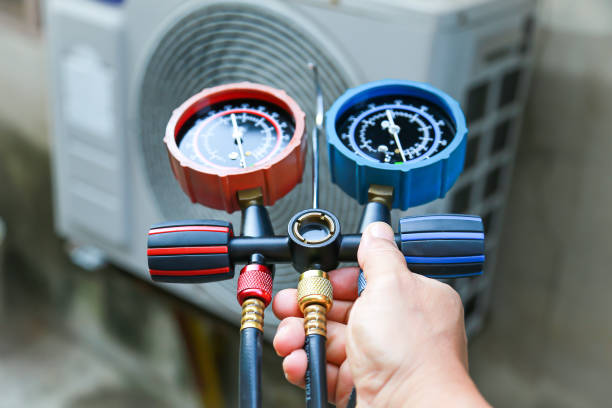
Technician checking air conditioning operation, detecting refrigerant leaks. Technician checking air conditioning operation, detecting refrigerant leaks. air conditioning repair stock pictures, royalty-free photos & images

Improved Air Quality Through Professional AC Service and Upgrades

Maintaining high indoor air quality (IAQ) is essential for a healthy and comfortable living environment. A properly serviced and upgraded air conditioning system plays a vital role in achieving this goal. Dust, allergens, mold, and pollutants can accumulate in your HVAC system over time, negatively impacting the air you breathe. Professional AC service can help mitigate these issues while ensuring your system operates efficiently.

The Role of Professional AC Services in Air Quality

  • Filter Cleaning or Replacement: Clogged filters trap dust and allergens, which are then recirculated into your home. Technicians replace or clean these filters to ensure smooth airflow and better filtration of contaminants.
  • Ductwork Inspection: Over time, ducts can accumulate dirt, mold, or pests. Regular inspection ensures that the ducts remain clean and free from obstructions.
  • Coil Maintenance: Evaporator coils tend to collect dust and moisture, creating an ideal environment for mold growth. Cleaning these coils prevents contamination of the circulated air.
  • Humidity Control Optimization: Excessive humidity encourages mold growth while low humidity can cause dryness-related issues. Professionals can recalibrate or upgrade your system to maintain balanced indoor humidity levels.

Benefits of Professional AC Upgrades for Air Quality

  1. HEPA Filters: High-Efficiency Particulate Air (HEPA) filters are designed to capture finer particles compared to standard filters.
  2. UV Light Installations: Ultraviolet light systems installed within the HVAC unit reduce bacteria, viruses, and mold spores in the air.
  3. Smart Thermostats with IAQ Sensors: Modern thermostats monitor indoor air quality metrics such as particulate matter or CO2 levels and make real-time adjustments to improve ventilation.
  4. Energy Recovery Ventilators (ERVs): ERVs maintain fresh indoor air by expelling stale air while balancing energy efficiency.

Signs That Your Indoor Air Quality May Be Poor

Symptom Possible Cause
Increased allergy symptoms Dust or pollen trapped in HVAC
Musty odors Mold growth inside ducts
Unexplained respiratory problems Poor filtration/contaminant buildup
Excessive dust accumulation Dirty filters or duct leaks

Preventative Measures Between Service Appointments

  • Replace basic filters every 1–3 months depending on usage.
  • Keep vents unobstructed by furniture or drapes.
  • Regularly vacuum carpets and upholstery to minimize airborne particulates.

Investing in regular maintenance and thoughtful upgrades not only improves IAQ but also creates a healthier living space while extending the life of your AC unit. This proactive approach ensures that your environment remains comfortable throughout the year without compromising on health standards.

Extended Lifespan of Your AC Unit with Expert Servicing and Replacement

Proper care and maintenance of your air conditioning (AC) system can significantly extend its lifespan, ensuring you get the most out of your investment. Expert servicing and timely replacement of critical components not only keep your unit running efficiently but also prevent costly breakdowns. Here’s how professional AC service can help maximize the longevity of your system.

Benefits of Expert AC Servicing

  • Preventative Maintenance: Professional technicians inspect filters, coils, fans, and other parts to ensure they’re functioning optimally.
  • Improved Component Lifespan: Timely cleaning and lubrication reduce wear and tear on essential parts.
  • Enhanced Cooling Efficiency: A well-maintained AC system uses less energy while providing consistent cooling.
  • Fewer Repairs: Routine checks minimize unexpected malfunctions or breakdowns.

How Servicing Impacts an AC Unit’s Lifespan

  1. Clean Filters
    Dirty filters force your AC to work harder than necessary, leading to strain on internal components. Experts recommend replacing or cleaning filters every 1–3 months during peak usage periods.
  2. Refrigerant Levels
    Maintaining optimal refrigerant levels is critical for cooling performance. Low refrigerant can damage the compressor—a costly component to repair or replace.
  3. Addressing Minor Issues Promptly
    During routine servicing, technicians can detect minor issues like unusual noises or uneven cooling before they evolve into complex problems.
  4. Seasonal Tune-Ups
    Performing tune-ups at least twice a year—once before summer and once before winter—ensures your unit is ready for seasonal demands.

When Replacement Becomes Necessary

  • Frequent breakdowns requiring expensive repairs.
  • Rising energy bills despite regular maintenance.
  • Diminished cooling efficiency or uneven airflow.
  • Your unit is older than 15 years and utilizes outdated technology.
Age of Unit Recommended Action Benefits
Less than 5 years Regular maintenance only Keeps warranty intact
5–10 years Possible part replacements Improves performance
Over 10 years Consider upgrading Energy savings; modern features

Tips for Choosing Professional Service Providers

  • Certifications and licensing.
  • Positive customer reviews or referrals.
  • Transparent pricing policies for repairs/replacements.
  • Availability of warranties for services performed.

Investing in expert care ensures that your air conditioning system lasts longer while operating efficiently throughout its functional life cycle. An experienced technician will provide the attention needed to safeguard one of the most critical systems in your home or workplace.


Top 10 Signs Your Air Conditioner Needs Replacement from a Trusted HVAC Company Orlando, FL

AC unit installment. Closeup side view of a trained professional installing an indoor unit of a split AC system. air conditioning repair stock pictures, royalty-free photos & images

1. Insufficient Cooling

If your air conditioner struggles to maintain the desired temperature or certain areas of your home remain consistently warm, it might indicate declining performance.

2. Frequent Repairs

Repeated visits from an HVAC technician signal that your system is becoming unreliable. If repair costs are adding up to nearly half or more of a new unit’s cost, replacement is more cost-effective.

3. Rising Energy Bills

A sudden increase in electricity bills without changes in usage habits often points to decreasing energy efficiency in older systems.

4. Poor Airflow

If weak airflow comes from vents even after cleaning filters and ducts, it could indicate issues with the blower motor or ductwork – both expensive repairs for aging units.

5. Strange Noises

Unusual sounds such as grinding, screeching, or banging often mean internal components are wearing out or failing altogether.

6. Moisture or Leaks Around the Unit

Excessive moisture near the air conditioner indicates refrigerant leaks or serious drainage issues – problems that can compromise performance and safety.

7. Foul Smells

Unpleasant smells such as mustiness (potential mold growth) or burning odors (electrical problems) should not be ignored and require immediate attention.

Smell Type Possible Cause
Musty/Mildewy Smell Mold Growth in Ducts
Burning/Electrical Odor Overheated Components

8. System Age

Most air conditioners have a lifespan of 10–15 years with proper maintenance. If yours is nearing this range, consider upgrading to avoid costly repairs and inefficiency.

9. R-22 Refrigerant Use

Older units using R-22 refrigerant (phased out due to environmental concerns) are expensive to recharge and maintain compared to systems utilizing modern refrigerants like R-410A.

10. Increased Humidity Levels Indoors

An aging AC system may struggle to control humidity effectively, leading to discomfort and potential mold growth within your home.

Signs You May Need Orlando AC Repair or a Replacement

  • Energy Savings: Modern units are up to 50% more efficient than systems installed two decades ago.
  • Environmental Responsibility: Newer models comply with stricter regulations for energy use and refrigerants.
  • Improved Indoor Air Quality: Advanced filtration systems reduce allergens and pollutants.

Recognizing these signs early allows you to plan for replacement rather than react during a cooling emergency during peak summer heat—a situation no homeowner wants to face unexpectedly under pressure.

Why You Should Never Delay Essential Orlando AC Service and Repairs

Neglecting necessary maintenance or repairs for your air conditioning system can lead to a variety of long-term issues, many of which are costly and inconvenient. Understanding the potential consequences of delaying AC services can help you prioritize timely action to keep your system functioning efficiently while avoiding expensive repairs or replacements.

Increased Utility Bills

  • Dirty filters restricting airflow.
  • Refrigerant leaks reducing cooling efficiency.
  • Worn-out components forcing the system to work harder.

The additional strain on your system not only increases monthly expenses but also accelerates wear and tear.

Diminished Cooling Performance

  • Blocked or damaged ductwork.
  • Failing compressors or motors.
  • Clogged coils reducing heat exchange efficiency.

Inadequate cooling not only impacts comfort but also signals underlying mechanical problems that may worsen over time.

Costlier Future Repairs

Original Issue Potential Escalation Estimated Cost Impact
Dirty air filters Overworked blower motor requiring replacement Moderate
Refrigerant leaks Compressor failure due to insufficient refrigerant High
Electrical malfunctions Complete electrical board replacement High

Proactively addressing small concerns during routine maintenance often avoids these costly breakdowns.

Reduced Lifespan of Your System

An improperly maintained air conditioning unit will wear out faster than one that receives regular care. Components under constant stress are more likely to fail prematurely, reducing the overall lifespan of the unit by several years. Investing in timely service prolongs the operation of your system, delaying the need for an expensive replacement.

Health and Safety Risks

  • Mold growth: Caused by clogged condensate drains leading to excessive moisture.
  • Polluted air: Dust and allergens circulating due to dirty filters.
  • Refrigerant leaks: Potential exposure to harmful substances.

Unresolved electrical faults also increase fire hazards, further emphasizing the importance of prompt professional attention.

The Bottom Line on Delayed AC Repairs

Putting off necessary air conditioning services ultimately compromises system efficiency, raises operating costs, and increases health risks. Recognizing warning signs early—such as unusual noises, reduced airflow, or higher energy bills—is key to preventing more significant problems down the line. By scheduling timely maintenance and addressing minor issues as they arise, you can ensure optimal performance from your AC system while avoiding unnecessary expenses or hazards in the future.

What Happens If You Delay Orlando FL Air Conditioning Repair Services

Delaying essential air conditioning services and repairs can lead to a range of problems that affect not only your HVAC system but also your comfort, energy efficiency, and even finances. Ignoring routine maintenance or repairs may seem like a cost-saving decision in the short term, but it often results in much larger expenses over time.

1. Reduced Energy Efficiency

One of the first noticeable effects of delaying AC service is reduced energy efficiency. A poorly maintained air conditioner struggles to operate efficiently, consuming more energy to cool your home. This inefficiency directly translates into higher utility bills.

  • Dirty filters and coils restrict airflow.
  • Faulty components like compressors or fans work harder than necessary.
  • Refrigerant levels may drop, reducing the system’s ability to cool effectively.
Issue Impact on Efficiency
Dirty Filters Restricts airflow; increases energy use
Low Refrigerant Levels Leads to longer cooling cycles
Worn Components Causes overheating in the system

2. Increased Wear and Tear

  • Small refrigerant leaks can damage compressors.
  • Loose electrical connections can cause short circuits.
  • A dirty condenser coil forces other components to compensate, reducing their lifespan.

The longer you delay service, the more likely it is for minor wear-and-tear issues to turn into major failures requiring costly replacements.

3. Risk of Complete System Failure

Postponing essential repairs can result in a total breakdown of your air conditioning unit at the worst possible time—often during peak summer months when demand is highest. This not only disrupts comfort levels but also leads to emergency repair fees or expedited replacements.

Consider these risks: – An overheating motor may seize completely. – A clogged drain line could lead to water damage inside your home.

Prolonged neglect increases the likelihood that these failures will happen unexpectedly.

4. Poor Indoor Air Quality

  • Clogged filters recirculate contaminants.
  • Mold growth in ducts or condensate lines worsens respiratory problems.

For households with allergy-prone individuals or children, poor air quality can pose significant health risks.

5. Higher Repair Costs Over Time

  • Replacing a compressor costs significantly more than repairing a refrigerant leak early on.
  • Addressing electrical short circuits promptly prevents potential fire hazards down the line.

Regular servicing ensures small repairs are handled before they escalate into costly replacements.

Timely maintenance and addressing early warning signs are critical for extending an AC unit’s lifespan while avoiding preventable expenses. Regular inspections are far less disruptive—and far cheaper—than dealing with emergency breakdowns or skyrocketing energy bills caused by inefficiencies from delayed care.

What Happens If You Delay Essential Air Conditioning Services and Repairs

Delaying essential air conditioning (AC) services and repairs can result in a cascade of problems that affect not only your comfort but also the longevity and efficiency of your system. Regular maintenance and timely repairs are critical for optimal performance, but ignoring issues, even minor ones, can lead to serious consequences.

Reduced Energy Efficiency

  • Increased Utility Bills: A malfunctioning unit consumes more power.
  • Carbon Footprint: The higher energy usage contributes negatively to the environment.

For example, a dirty or clogged air filter can reduce airflow, forcing the unit to use more energy. Replacing it regularly is a small effort that prevents unnecessary expenses in the long run.

Technician services outside AC units and generator. Senior Adult air conditioner Technician/Electrician services outdoor unit. air conditioning repair stock pictures, royalty-free photos & images

Escalation of Minor Issues Into Major Repairs

Minor Issue Possible Outcome if Ignored
Refrigerant Leak Compressor Failure (Costly Repair)
Clogged Drain Line Water Damage or Mold Growth
Worn-out Fan Belt System Overheating and Shutdown

Addressing these problems when they first appear can save significant money and prevent extensive downtime.

Compromised Indoor Air Quality

  • Allergies
  • Respiratory problems
  • Aggravated asthma symptoms

Scheduling regular cleaning and inspection ensures that your system filters out contaminants effectively.

Shortened Lifespan of Your AC Unit

  • Repairs will become more frequent.
  • The overall lifespan of your AC system will decrease.

Investing in periodic service helps extend the functional life of your system by keeping all parts working efficiently.

Risk of Complete System Breakdown

  1. Small malfunctions combine into larger systemic issues.
  2. The entire unit may stop working unexpectedly during high-demand seasons — often when you need it most.

A complete breakdown might necessitate an expensive replacement rather than a simple repair that could have been addressed earlier.

Delaying vital air conditioning services not only impacts comfort but also poses risks to financial health, air quality, and equipment reliability over time. Prioritizing routine maintenance ensures peace of mind while optimizing performance year-round.

Understanding the Impact of Sudden Increases in Electricity Bills on Your AC System’s Efficiency

A sudden and unexpected spike in electricity bills can be a major red flag, particularly when it comes to the health and efficiency of your air conditioning (AC) system. While high energy costs can occasionally result from increased usage during peak seasons, significant changes in your utility bill without a clear cause might indicate underlying issues with your AC unit. Below, we explore how unexpected electricity bill increases can signal inefficiencies, potential problems, and areas of improvement related to your air conditioning system.

Common Causes of Increased Electricity Bills Linked to AC Systems

  1. Dirty or Clogged Air Filters
    Air filters play a crucial role in ensuring that airflow circulates freely throughout the system. When filters become dirty or clogged:
  2. The AC unit needs to work harder to push air through the blockage.
  3. This results in higher energy consumption and elevated utility bills.
    Regularly replacing or cleaning air filters (typically every 1-3 months) can help maintain efficiency.
  4. Refrigerant Leaks
    Refrigerant is vital for cooling, and leaks can significantly reduce efficiency:
  5. The system may run longer cycles to achieve desired temperatures.
  6. Prolonged operation not only increases wear on components but also drives up energy use.
  7. Outdated Equipment
    Older AC units often lack modern energy-efficient technology:
  8. Units over 10-15 years old are likely less efficient compared to new ENERGY STAR-certified systems.
  9. Upgrading to a newer model may reduce electricity consumption by as much as 20-40%.
  10. Faulty Components
    If parts like motors, capacitors, or compressors begin failing:
  11. The system operates inefficiently and consumes more power than necessary.
  12. Professional inspection is critical for diagnosing component issues.
  13. Inadequate Maintenance
    Lack of regular maintenance can lead to dirt buildup on coils or improperly calibrated systems:
  14. Dirty evaporator or condenser coils restrict heat exchange processes.
  15. Neglecting tune-ups reduces overall efficiency and inflates operational costs.

Signs Your AC Is Increasing Energy Consumption

  • Longer cooling cycles despite consistent thermostat settings.
  • Frequent cycling on/off even during mild weather conditions.
  • Uneven cooling across rooms indicating improper airflow or ductwork issues.

How To Address Efficiency Issues

Action Benefits
Schedule Professional Inspection Identifies refrigerant leaks, worn components, or improper calibration
Clean/Replace Air Filters Ensures optimal airflow and reduces strain on the unit
Upgrade Thermostat Smart thermostats enhance precision and reduce energy wastage
Consider AC Replacement Installing an energy-efficient unit minimizes long-term utility expenses

Preventive Maintenance Tips for Lower Bills

  • Perform Seasonal Tune-Ups: Schedule biannual professional maintenance checks before summer/winter seasons.
  • Seal Ductwork: Prevent leakage that forces the system to overwork unnecessarily.
  • Optimize Insulation: Ensure proper home insulation so cooled air remains inside longer.

Addressing performance inefficiencies promptly not only saves money but also extends the lifespan of your air conditioner while fostering environmentally-responsible energy use practices.

The Importance of Addressing Strange Noises, Leaks, or Smells From Your Air Conditioner Promptly

Air conditioning systems are essential for maintaining a comfortable and healthy indoor environment. However, strange noises, leaks, or unpleasant smells from your AC unit are often early warning signs of underlying issues that need immediate attention. Ignoring these symptoms can lead to costly repairs, reduced system efficiency, and even health hazards. Here’s why addressing such problems promptly is crucial.

Common Strange Noises and What They Indicate

  1. Could indicate loose components or debris in the system.
  2. If left unchecked, it may damage internal parts or misalign the unit.
  3. Often a sign of refrigerant leaks or issues with the compressor.
  4. Refrigerant leaks can reduce cooling efficiency and harm the environment.
  5. Points to worn-out belts or motor bearings.
  6. Neglecting this issue might result in complete motor failure.
  7. May signify broken components in the compressor.
  8. This problem requires urgent attention as it could lead to a total system breakdown.
  9. A repetitive clicking sound during startup might suggest electrical issues within the thermostat or capacitors.

Leaks: More Than Just an Inconvenience

Leaks from your air conditioner should never be ignored as they not only affect performance but also pose safety risks.

Type of Leak Possible Cause Potential Consequences
Water Leak Clogged condensate drain line Increased humidity and water damage
Refrigerant Leak Damaged refrigerant lines or improper sealing Reduced cooling power; environmental harm
Oil Stains Around AC Unit Compressor malfunction Significant risk of total AC failure

Promptly addressing leaks ensures both functionality and longevity for your AC unit.

Unpleasant Smells: What They Mean

  • Musty Odor: Indicates mold or mildew buildup in ducts or on the evaporator coil. This could aggravate allergies and respiratory conditions.
  • Burning Smell: Suggests overheating components, such as wiring insulation melting due to electrical faults.
  • Rotten Egg Smell: Might be caused by dead animals trapped inside ducts – a health risk and hygiene concern.
  • Chemical Odors: Could signify refrigerant leaks that require professional repair immediately.

Unusual smells often reveal serious problems that impact air quality and household safety if left unaddressed.

Risks of Ignoring These Warning Signs

  • Higher energy bills due to decreased efficiency.
  • Permanent damage to critical components like compressors and motors.
  • Health risks from poor indoor air quality caused by mold spores, bacteria growth, or harmful gases leaking into your home.

Taking immediate action helps prevent minor issues from developing into major problems that demand expensive repairs—or even complete replacement of your AC unit.

Addressing strange noises, leaks, or odors promptly ensures consistent comfort while safeguarding your investment in an air conditioning system. If you notice any unusual symptoms in your AC unit’s operation, consulting a professional technician without delay is always the best course of action.


How an HVAC Company in Orlando, FL Can Enhance Your Everyday Comfort

Technician is checking air conditioner ,measuring equipment for filling air conditioners. Technician is checking air conditioner ,measuring equipment for filling air conditioners. air conditioning repair stock pictures, royalty-free photos & images

Air conditioners (AC) have become essential for maintaining comfort in homes, workplaces, and other indoor spaces. Their ability to regulate temperature, improve air quality, and create a pleasant environment makes them indispensable, especially during hot summer months. To fully appreciate their importance, it is crucial to understand how they work and why they matter in our daily lives.

How Air Conditioners Work

At their core, air conditioners operate on the principles of refrigeration and heat exchange. The primary goal is to remove heat from an indoor space and release it outdoors while circulating cooled air within the area.

  1. Warm indoor air passes over the evaporator coil containing a cold refrigerant.
  2. The refrigerant absorbs the heat from the air, cooling it down.
  3. The refrigerant gas carrying absorbed heat moves to the compressor unit located outside.
  4. The compressor increases the pressure and temperature of the refrigerant.
  5. The heated refrigerant travels to the condenser coil (also outside).
  6. Heat dissipates into the outdoor air with help from condenser fans as the refrigerant condenses back into a liquid.
  7. The refrigerant passes through an expansion valve which lowers its temperature significantly.
  8. It then flows back to the evaporator coil to repeat the cycle.

This continuous cycle ensures that warm indoor air is replaced by cool air efficiently.

Benefits of Air Conditioning in Everyday Life

Air conditioning systems do more than just cool your home or office; they contribute significantly to health, productivity, and overall well-being.

  • Temperature Regulation: Maintains a comfortable indoor environment regardless of outdoor weather conditions. This is particularly critical for regions with extreme heat.
  • Improved Air Quality: AC units often include filters that trap dust particles, pollen, and other allergens while dehumidifying indoor spaces.
  • Enhanced Productivity: Studies show that comfortable temperatures boost concentration levels and work efficiency in offices or study areas.
  • Health Benefits: By controlling humidity levels and reducing airborne irritants, ACs can alleviate respiratory issues such as asthma or allergies.
  • Protection for Electronics: Many household devices or office equipment can overheat if exposed to high temperatures for extended periods. AC systems help maintain optimal operating conditions.
Feature Benefit
Temperature Control Comfort during peak weather
Humidity Reduction Prevention of mold growth
Filtration Systems Cleaner indoor air
Consistent Operation Enhanced sleep quality

Why Regular Maintenance Matters

  • Prevents poor cooling performance due to clogged filters or dirty coils.
  • Reduces energy consumption by maintaining optimal airflow.
  • Extends equipment lifespan by addressing minor issues early on.
  • Avoids costly repairs caused by neglecting routine maintenance tasks.

Understanding how your AC system works not only helps you appreciate its role but also enables you to identify potential problems early. As technology evolves, modern units offer even more advanced features like smart controls and eco-friendly designs tailored for today’s needs. Investing in professional care ensures that your system continues delivering everyday comfort seamlessly year after year.

Expert Tips for Orlando AC Repair to Fix Insufficient Cooling Issues

When your AC isn’t cooling your home effectively, it not only affects your comfort but can also signal underlying mechanical or functional issues that need attention. Below, we’ll explore the causes of insufficient cooling and provide practical solutions to address these problems.

Common Causes of Insufficient Cooling

  1. When air filters are clogged with dirt, dust, or debris, proper airflow is restricted.
  2. This forces the system to work harder while delivering less cold air.
  3. Regularly checking and replacing air filters can greatly improve cooling performance.
  4. Low refrigerant levels often result from leaks within the system.
  5. Without sufficient refrigerant, your AC cannot cool your space effectively.
  6. Professional technicians are required to identify leaks and recharge refrigerants.
  7. Dirt buildup on outdoor condenser coils prevents heat dissipation.
  8. This leads to overheating and reduced cooling capacity.
  9. Cleaning condenser coils periodically ensures efficient operation.
  10. A faulty thermostat may not accurately detect room temperature or signal the AC unit to adjust cooling levels.
  11. Calibrating or replacing an old thermostat often resolves the issue.
  12. An air conditioner that’s too small for your home’s square footage struggles to maintain desired temperatures.
  13. Consulting a professional for proper sizing during installation avoids this problem.
  14. Holes or leaks in ductwork allow cool air to escape before it reaches its intended destination.
  15. Sealing ducts can prevent energy loss and ensure optimal airflow distribution.

Steps to Resolve Insufficient Cooling

  1. Perform basic maintenance: Check for dirty filters and clean them if necessary.
  2. Inspect vents: Ensure all vents are open and free from obstructions like furniture or curtains.
  3. Schedule coil cleaning: Clean both evaporator and condenser coils at least once a year.
  4. Test thermostat accuracy: Use an indoor thermometer to verify your thermostat is correctly reading temperatures.
  5. Seek professional assistance: Call an HVAC technician if you suspect refrigerant issues, leaking ducts, or a mismatched system size.

Preventive Measures for Consistent Cooling

Maintenance Task Frequency
Replace/clean air filters Every 1-3 months
Clean condenser coils Once per year
Check refrigerant levels Annually
Inspect ductwork for leaks Every 3-5 years
Test thermostat functionality Annually

By understanding these potential causes and solutions, homeowners can recognize early signs of insufficient cooling in their air conditioning systems and take appropriate actions promptly, ensuring consistent indoor comfort year-round while extending the lifespan of their equipment.

Expert Tips for Orlando FL Air Conditioning Repair and Resolving Insufficient Cooling

When your air conditioning system isn’t cooling as it should, it’s more than just an inconvenience; it can also be a sign of underlying mechanical or environmental issues. This section explores why your AC might fail to cool effectively and how to resolve the issue.

Common Causes of Insufficient Cooling

There are several reasons why an air conditioning system might not provide adequate cooling.

  • Dirty or Clogged Air Filters
    When these filters become clogged, airflow is restricted, resulting in reduced cooling performance.
  • Refrigerant Leaks
    Refrigerant is vital for the cooling process. If there’s a leak in the system, your AC will struggle to cool effectively.
  • Blocked or Dirty Condenser Coils
    The condenser coils are responsible for releasing heat outside your home. If they are dirty or obstructed, heat transfer becomes inefficient.
  • Faulty Thermostat Settings
    Incorrect thermostat settings can lead to inconsistent cooling throughout your space.
  • Undersized Unit
    An air conditioner that is too small for your room or home will fail to cool efficiently, especially during peak summer months.

Steps to Diagnose Insufficient Cooling

  1. Examine the Air Filter: Inspect the filter for signs of dirt and clogs. Replace it every one to three months depending on usage.
  2. Inspect Refrigerant Levels: Look for signs of refrigerant leaks such as hissing sounds or ice buildup on the refrigerant lines.
  3. Check Thermostat Settings: Ensure that your thermostat is set at an appropriate temperature and that it’s functioning properly.
  4. Inspect Vents and Ductwork: Verify that vents aren’t blocked by furniture or debris and check ducts for leaks.
  5. Monitor Outdoor Unit Performance: Clear away leaves or debris from around the external condenser unit to improve airflow.

Effective Solutions

Issue Solution
Dirty air filters Replace filters regularly
Low refrigerant levels Hire a professional technician to refill and fix leaks
Blocked condenser coils Clean coils using a soft brush or call an expert if needed
Incorrect thermostat settings Adjust settings or replace malfunctioning thermostat
Undersized unit Upgrade to an appropriately sized AC system

Tips for Preventing Future Cooling Issues

To maintain optimal performance of your air conditioning system:
– Schedule routine maintenance with a trusted HVAC technician at least once per year. – Keep windows and doors closed when the AC is running. – Clean vents regularly to ensure unobstructed airflow. – Invest in energy-efficient upgrades like programmable thermostats.

By addressing insufficient cooling promptly through proper diagnosis and repair methods, you’ll extend the life of your AC while ensuring consistent comfort during hot weather seasons.

Close up of Air Conditioning Repair, repairman on the floor fixing air conditioning system Close up of Air Conditioning Repair, repairman on the floor fixing air conditioning system air conditioning repair stock pictures, royalty-free photos & images

Expert Tips for Diagnosing and Resolving Airflow Issues with Orlando AC Service

Airflow issues in air conditioning systems can significantly affect performance, energy efficiency, and your overall comfort. Identifying and addressing these problems promptly ensures the longevity of your unit while maintaining a pleasant indoor environment. This section explores common causes of airflow problems, how to recognize them, and effective solutions.

Common Causes of Airflow Problems

  1. Dust, dirt, and debris can accumulate in air filters over time, restricting the flow of air through the system.
  2. Dirty filters force your AC to work harder, leading to inefficiency and potential damage to components.
  3. Ducts deliver conditioned air throughout your home. If they’re obstructed by debris or have leaks, airflow is reduced.
  4. Poorly sealed duct connections also lead to uneven cooling across rooms.
  5. Furniture or curtains blocking vents can reduce airflow into rooms.
  6. Closed or partially closed vents may create additional pressure in the system.
  7. The blower motor in your unit moves air through the system. If it’s malfunctioning due to wear or electrical issues, airflow will be compromised.
  8. Ice buildup on evaporator coils can block airflow within the system. This is often caused by low refrigerant levels or poor maintenance routines.
  9. An improperly sized AC unit (too small or too large for the space) may struggle with consistent airflow distribution.

Signs of Airflow Problems

  • Weak air coming from vents even when the AC is running at full capacity.
  • Hot and cold spots across different areas of your home.
  • Unusual noises coming from ducts (whistling, banging).
  • Increased energy bills without a change in usage patterns.
  • Excess humidity indoors despite regular AC use.

Solutions for Improving Airflow

  1. Replace or Clean Filters Regularly
    Schedule filter changes every 1–3 months depending on usage and environmental factors like pet dander or pollen levels.
  2. Inspect Ducts for Leaks or Obstructions
    Seal gaps with professional-grade duct tape and remove any visible debris inside ductwork using specialized cleaning equipment.
  3. Unblock Vents and Registers
    Ensure no objects are obstructing air distribution points such as furniture or rugs near vents.
  4. Check Blower Motor Functionality
    If you suspect a problem with the blower motor, consult an HVAC technician for repair/replacement services.
  5. Address Frozen Coils Promptly
    Turn off the unit to allow thawing if ice buildup occurs on coils; then investigate root causes like low refrigerant levels with professional help.
  6. Evaluate AC Sizing During Installation
    Work with a licensed contractor during installation to ensure proper sizing based on square footage and usage patterns.

Preventative Maintenance Tips

Maintenance Task Frequency Notes
Clean/Replace Filters 1–3 months Adjust frequency for high dust/pollen seasons
Schedule Professional Tune-ups Twice a year Ideally before summer/winter seasons
Inspect Vents/Ducts Annually Check for leaks/blockages regularly

By understanding common causes of poor airflow in cooling systems and following these steps consistently, you can maintain optimal performance while extending your system’s lifespan efficiently without unnecessary expenses associated with major repairs later on.

Identifying Strange Noises That Could Signal Problems in Your Air Conditioning Unit

When your air conditioning system begins producing strange noises, it is often an indication of underlying issues that require attention. Ignoring these sounds can lead to more significant problems, reduced efficiency, or even complete system failure. Below, we’ll break down some common AC noises, their potential causes, and how they can be addressed.

Common AC Noises and Their Causes

  1. Possible Cause: A buzzing sound could indicate electrical issues such as loose wiring or a failing motor. It may also result from debris caught in the outdoor condenser unit.
  2. Solution: Inspect electrical components for damage or loose connections. Clean the condenser unit and remove debris to prevent further issues.
  3. Possible Cause: This usually points to a mechanical issue such as a loose or broken part within the compressor or fan assembly.
  4. Solution: Turn off the system immediately and contact a professional HVAC technician to inspect and repair the damaged components.
  5. Possible Cause: Hissing can occur due to refrigerant leaks or high pressure in the compressor.
  6. Solution: Refrigerant leaks should be handled by a trained technician, as this involves recharging refrigerant levels and repairing any leaks.
  7. Possible Cause: Squealing typically originates from worn-out belt-driven motors or malfunctioning fan bearings.
  8. Solution: Check for worn belts and replace them if necessary. Additionally, lubricate moving parts like fan bearings to reduce friction.
  9. Possible Cause: Repeated clicking during startup or shutdown of your AC might signal electrical problems with relays or capacitors.
  10. Solution: Have an expert evaluate and repair faulty electrical components before they cause further damage.
  11. Possible Cause: Rattling often results from loose screws, bolts, or panels within the system.
  12. Solution: Tighten any loose hardware and ensure all panels are securely fastened.

Why Address Unusual Noises Promptly?

  • They may reduce system efficiency and lead to higher energy bills.
  • Mechanical wear could cause irreversible damage to key components like compressors and fans.
  • Neglecting early signs can result in costly repairs down the road.
Type of Noise Likely Cause Suggested Action
Buzzing Electrical issues/debris Inspect wiring; clean condenser
Banging/Clanging Loose/broken internal parts Shut down system; call technician
Hissing Refrigerant leak/high compressor pressure Seek professional repair
Squealing Worn belts/failing bearings Replace belts; lubricate parts
Clicking Faulty relays/capacitors Consult an HVAC expert
Rattling Loose screws/panels Tighten hardware

When to Contact an Expert

If you’re unsure about the source of a noise or lack the tools needed for proper diagnosis and repair, it’s best to consult a licensed HVAC professional. They have the expertise to pinpoint issues accurately while ensuring safe repairs that restore optimal performance.

By paying attention to unusual noises in your AC unit early on, you can save money on potential repairs while prolonging its lifespan—ensuring reliable performance throughout its service life.

Water Leakage in AC Units: Causes and Solutions for a Smooth Operation

Water leakage from your air conditioning unit is a common issue that can disrupt its performance and cause damage to your home. Understanding the causes of water leaks and how to address them is vital for maintaining a well-functioning system. Below, we explore the primary reasons behind AC water leakage and provide effective solutions to fix the problem.

Common Causes of AC Water Leakage

  1. The condensate drain line is responsible for removing excess moisture from your AC unit. Over time, it can become clogged with dirt, debris, or algae, leading to water backing up and leaking indoors.
  2. Air filters trap dust and debris from the air entering your system. When these filters are dirty, airflow is restricted, causing the evaporator coil to freeze. Once the ice melts, excess water may overflow from the drain pan.
  3. The drain pan collects condensation from your unit’s evaporator coil. If it becomes rusted or cracked over time, it may fail to contain water properly, resulting in leaks.
  4. Insufficient refrigerant levels can lower pressure in the AC system, causing evaporator coils to freeze up. As with dirty air filters, melting ice results in excessive water that may leak.
  5. If the AC unit was not installed correctly or has not been maintained regularly, issues such as misaligned components or poor drainage design could lead to leaks.

Effective Solutions for Resolving Water Leaks

  • Unclogging the Drain Line: Use a wet/dry vacuum or a plumbing snake to remove blockages in the condensate line. Regular flushing with vinegar can also help prevent clogs.
  • Cleaning/Replacing Air Filters: Change air filters every 1-3 months to ensure proper airflow and prevent coil freezing.
  • Repairing or Replacing Drain Pans: Check for cracks or rust in your drain pan; replace it if necessary.
  • Recharging Refrigerant Levels: Seek professional assistance to check refrigerant levels and address any underlying leaks within the system.
  • Scheduling Professional Maintenance: Have an HVAC technician inspect and service your unit annually for proper installation alignment and efficient operation.

Preventative Measures

Preventative Action Frequency
Clean/Replace Air Filters Monthly/Quarterly
Flush Condensate Drain Line Quarterly
Inspect Unit for Component Damage Annually
Schedule Professional Maintenance Annually

By addressing these potential causes promptly and implementing regular maintenance routines, you can ensure that your air conditioner operates smoothly without interruptions caused by water leakage problems.

Air Conditioner repairman explaining cost of repairs to homeowners Air Conditioner repairman explaining cost of repairs to homeowners air conditioning repair stock pictures, royalty-free photos & images

Electrical Problems in Air Conditioning Systems: What You Need to Know for Safe Repairs

Electrical problems in air conditioning systems can disrupt their operation, lead to inefficient cooling, or even pose safety risks. Understanding and addressing these issues promptly is essential to maintaining the performance and safety of your AC unit. Below, we will explore common electrical problems in air conditioning systems, signs to watch for, and tips for safe repairs.

Common Electrical Problems in AC Units

  1. Faulty Capacitors
    Capacitors play a critical role in starting the compressor and fan motors. Over time, they can wear out or fail due to overheating or voltage fluctuations.
  2. Symptoms: AC not turning on or inconsistent cooling performance.
  3. Solution: Replace faulty capacitors with high-quality replacements.
  4. Tripped Circuit Breakers
    A circuit breaker protects your AC from power overloads. Frequent tripping may indicate underlying electrical issues.
  5. Causes: Short circuits, overloaded circuits, or damaged wiring.
  6. Solution: Inspect the breaker panel and wiring for damage; consult an electrician if needed.
  7. Damaged Wiring
    Over time, wires can corrode, loosen, or become damaged by pests or environmental factors.
  8. Risks: Damaged wiring can cause short circuits or even electrical fires.
  9. Solution: Perform regular inspections and replace compromised wiring promptly.
  10. Malfunctioning Relays & Contactors
    Relays and contactors help control the flow of electricity within your AC system. If they malfunction, they may prevent proper operation of certain components.
  11. Symptoms: Irregular starts/stops of components like fans or compressors.
  12. Solution: Have a professional repair or replace faulty relays and contactors.
  13. Burnt Out Fuses
    Fuses are designed to protect your system from power surges by breaking the connection when necessary.
  14. Symptoms: Complete system shutdown without warning.
  15. Solution: Replace burnt-out fuses after identifying the root cause of the surge.

Signs of Electrical Issues in Your AC System

  • Frequent circuit breaker trips when operating the unit
  • Unusual odors such as burning smells near electrical connections
  • Inconsistent performance (e. g.
  • Flickering lights when the AC starts
  • Complete system failure with no apparent mechanical problem

Preventive Measures for Electrical Safety

To minimize the risk of electrical failures in your air conditioning system: – Schedule regular maintenance checks with a certified HVAC technician. – Install a surge protector specifically designed for HVAC systems to shield against voltage spikes. – Address loose connections or worn-out components during routine inspections before failures occur.

Maintenance Task Recommended Frequency
Inspect wiring & cabling Annually
Test capacitors & relays Every 6 months
Check circuit breakers After any power outage
Clean connections Once a year

Why Professional Service Matters

Handling electrical repairs without proper training can be hazardous. A licensed technician not only ensures that repairs meet safety standards but also provides long-term reliability by identifying hidden issues during service visits.

By staying proactive with maintenance and seeking expert assistance as needed, you can keep your air conditioning unit running efficiently while protecting both your household and investment from potential hazards linked to electrical problems.

The Ultimate Guide to Contacting Experts for Professional AC Service and Repairs

When it comes to maintaining the efficiency and longevity of your air conditioning system, professional service and repairs play a pivotal role. While some basic maintenance tasks can be handled by homeowners, there are situations where expert intervention is essential. Below is a comprehensive guide to help you understand when and how to seek professional AC services.

When Should You Contact an AC Professional?

There are specific scenarios where calling an expert is not just advisable but necessary.

  1. Recurring Issues:
    If problems such as insufficient cooling, frequent cycling, or unusual noises persist despite basic troubleshooting efforts.
  2. Major Component Failures:
    Issues like compressor malfunctions or refrigerant leaks require specialized tools and expertise.
  3. Electrical Problems:
    Diagnosing and repairing electrical circuitry in AC units involves complex work that should only be attempted by qualified technicians.
  4. Preventative Maintenance Needs:
    Routine servicing performed by professionals can improve energy efficiency, prevent breakdowns, and extend the system’s life span.

Benefits of Hiring Professionals for AC Services

  • Technical Expertise:
    Trained technicians have in-depth knowledge of various AC models and systems.
  • Access to Specialized Tools:
    From refrigerant gauges to vacuum pumps, professionals have access to equipment that many homeowners don’t.
  • Compliance with Safety Standards:
    Licensed HVAC technicians adhere to industry regulations for safe repairs and installations.
  • Accurate Diagnosis and Repairs:
    Experts can identify underlying issues quickly, saving you time and money in the long run.

How to Choose the Right AC Service Provider

Selecting a qualified technician or company requires careful consideration.

  1. Verify Credentials: Ensure the service provider holds proper licensing and certifications (such as NATE or EPA certification).
  2. Experience Matters: Look for technicians with several years of experience in diagnosing and repairing air conditioning systems similar to yours.
  3. Read Reviews: Check customer feedback on platforms like Google Reviews or Yelp for insights into their professionalism and reliability.
  4. Get Estimates: Obtain written quotes from multiple providers before committing to one service provider.
  5. Check Warranties: Ensure they offer guarantees on parts replaced or services rendered for added peace of mind.

Questions to Ask Before Hiring an Expert

Question Why It’s Important
Are you licensed and insured? Ensures legal compliance and protection against liabilities during service
What brands do you specialize in? Confirms their expertise with your specific system
Do you offer emergency services? Useful for urgent repair needs outside regular business hours
What is included in the maintenance package? Helps clarify costs versus value provided

Importance of Professional Maintenance Contracts

Many HVAC companies offer maintenance contracts that include scheduled inspections, cleaning services, priority support, discounts on repairs, and more.

  • Reduced downtime due to proactive problem identification
  • Improved energy efficiency through regular cleaning
  • Preferential pricing on emergency repairs

By understanding when professional services are necessary, how to select trustworthy experts, and what benefits they bring, you can keep your air conditioner performing efficiently while avoiding costly breakdowns in the future.


HVAC Company Orlando, FL: Experts in Comfort, Savings, and Reliability

Hvac technician performing air conditioner repair service. Hvac technician performing air conditioner condenser unit maintenance inspection outdoor on the rooftop. 24 hours emergency repair service for air conditioning and heating systems breakdowns and failures. Home insurance. air conditioning repair stock pictures, royalty-free photos & images

When it comes to maintaining a comfortable living or working environment, having an efficient and reliable HVAC (Heating, Ventilation, and Air Conditioning) system is essential. Over time, however, even the best systems may wear out or fail to meet the demands of your space effectively. That’s where HVAC replacement experts play a pivotal role — offering solutions that ensure comfort, savings, and reliability.

Why Consider an HVAC Replacement?

  • Reduced Efficiency: Rising energy bills despite regular maintenance.
  • Frequent Repairs: Constant breakdowns that lead to inconvenient downtime.
  • Uneven Heating or Cooling: Certain areas in your home or office not reaching desired temperatures.
  • Old Age: Systems over 10–15 years old often lack modern technology and efficiency standards.

Replacing your aging unit with a new high-performance model can address these concerns while providing additional benefits.

The Comfort Advantage

  • Newer units often feature quieter operations, reducing indoor noise pollution.
  • Advanced air filtration improves indoor air quality by reducing allergens like pollen, dust, and pet dander.

Cost-Saving Benefits of Modern Systems

  1. Higher Energy Ratings: Look for units with ENERGY STAR certification — these models consume less electricity while delivering optimal performance.
  2. Smart Technology: Features such as smart thermostats help reduce wasteful energy consumption by programming schedules based on usage patterns.
  3. Fewer Repairs: Newer systems are built with durability in mind, meaning fewer service interruptions over their lifespan.
Feature Benefit Example
ENERGY STAR Certified Reduced energy consumption Saves up to 20% annually on utility bills
Smart Thermostats Optimized temperature control Adjust settings via smartphone apps
Advanced Air Filtration Cleaner air indoors Removes harmful particles

Reliability Through Expert Installation

Choosing professional HVAC replacement services ensures peace of mind when upgrading your system. Trained technicians conduct detailed assessments of your property’s heating and cooling needs before recommending the ideal unit for optimal efficiency.

Key steps taken during professional installation include: – Proper sizing of the unit based on square footage calculations. – Evaluating ductwork condition for necessary repairs or upgrades. – Ensuring proper insulation around air ducts and vents.

By partnering with trusted HVAC replacement experts who follow industry best practices, you’re investing not only in better equipment but also in reliable performance that lasts for years.

Replacing your outdated or inefficient system doesn’t have to be a hassle when guided by experienced professionals who prioritize customer satisfaction alongside technical expertise.

How Orlando AC Repair Services Prevent Costly Repairs in the Long Run

Investing in professional air conditioning (AC) service is one of the most effective ways to ensure the longevity of your system while minimizing expensive repair bills. Regular maintenance not only enhances performance but also helps catch small issues before they escalate into significant, costly problems. Below, we explore how professional AC service can help you save money and improve your system’s reliability over time.

Early Detection of Problems

  • Compressor failure: A minor refrigerant leak or a clogged coil can lead to overworking the compressor, one of the costliest components to replace.
  • Electrical malfunctions: Worn-out wiring or loose connections left unattended can result in complete system failure or even safety hazards.
  • Worn-out parts: Neglecting aging components like belts, motors, or fans can cause breakdowns that require expensive emergency repairs.

By resolving these concerns early, you avoid sudden breakdowns and extend your system’s lifespan.

Improved Energy Efficiency

  • Cleaning or replacing dirty air filters.
  • Cleaning condenser coils and evaporator coils.
  • Inspecting ductwork for leaks.
  • Lubricating motors and bearings.

Energy savings from an efficiently running system can add up significantly over time.

Maintaining Manufacturer Warranties

Most air conditioning units come with manufacturer warranties that remain valid only if regular maintenance is performed by licensed professionals. Skipping scheduled servicing could void your warranty, forcing you to pay out-of-pocket for major repairs that would otherwise be covered.

Extended System Lifespan

Regular professional service keeps your air conditioning unit operating at peak performance for longer periods. Neglected systems deteriorate quickly due to increased wear and tear on the components caused by inefficiencies such as overheating and excessive cycling.

Aspect Well-Maintained System Neglected System
Lifespan 15–20 years 8–12 years
Energy Efficiency High Low
Repair Frequency Minimal Frequent
Cost Over Time Lower Higher

Reducing Emergency Repairs

An HVAC breakdown during peak summer heat is not only inconvenient but can also result in costly emergency repair services—especially when demand for technicians is high. Routine maintenance minimizes unexpected breakdowns by keeping every part of your system functioning optimally during peak usage periods.

Peace of Mind

Knowing your AC system is being handled by experienced professionals provides confidence that it will perform reliably when you need it most. This peace of mind allows homeowners to focus on other priorities without worrying about sudden AC failures.

In summary, professional AC service offers numerous financial advantages by preventing costly repairs over time while ensuring optimal performance and longevity for your investment. Homeowners who prioritize regular maintenance often enjoy lower energy bills, fewer emergencies, and a comfortable indoor environment year-round without breaking their budgets.

How Neglecting Orlando AC Service Can Impact Your Entire Cooling System

Neglecting regular maintenance for your air conditioning system may seem harmless at first, but it can trigger a chain reaction of issues that affect performance, energy efficiency, and ultimately lead to costly repairs. This domino effect underscores the importance of proactive care to preserve the functionality and longevity of your AC unit.

The Initial Impact of Orlando FL Air Conditioning Repair: Reduced Efficiency

The first sign of neglect is often reduced energy efficiency. When components such as air filters, coils, or fans are not cleaned or inspected regularly, dirt and debris accumulate. This buildup forces the AC system to work harder to maintain desired temperatures. Over time, this extra strain increases energy consumption and utility bills.

  • Clogged Air Filters: Blocked filters restrict airflow, causing uneven cooling and forcing the system to overcompensate.
  • Dirty Coils: Dust-covered evaporator or condenser coils reduce heat transfer efficiency.
  • Wear and Tear on Fans: Unclean or poorly lubricated fans slow down airflow circulation.

Air conditioner service outdoor checking fix repair. Air conditioner cleaning technician He opened the front cover and took out the filters and washed it. He in uniform wearing rubber Air conditioner service outdoor checking fix repair. Air conditioner cleaning technician He opened the front cover and took out the filters and washed it. He in uniform wearing rubber air conditioning repair stock pictures, royalty-free photos & images

Escalating Wear and Tear on Components

  • Compressor Strain: Without adequate airflow or refrigerant levels, the compressor works under more pressure than designed.
  • Refrigerant Imbalances: Leaks or insufficient refrigerant due to lack of inspection can result in fluctuating cooling performance.
  • Electrical Malfunctions: Worn wiring or faulty connections often go unnoticed until they cause equipment failure.

Each stressed component contributes to worsening overall system performance, creating a vicious cycle that accelerates degradation.

Commonly Neglected Part Possible Consequence
Air Filter Reduced airflow
Refrigerant Lines Cooling inefficiency
Electrical Connections Sudden breakdown
Condenser Coil Loss of heat transfer

The Final Stage: Breakdowns and Costly Repairs

  1. The compressor fails due to overheating from restricted airflow.
  2. Refrigerant leaks worsen due to corroded connections.
  3. Condenser units become clogged beyond repair.

At this stage, many homeowners face repair costs that could have been avoided with routine maintenance—or worse—may need an expensive replacement altogether.

Preventive Measures for Avoiding Neglect

  • Schedule professional AC service at least twice a year (spring before cooling season begins and fall before heating season).
  • Replace air filters every 30–90 days depending on usage levels.
  • Monitor refrigerant levels during each service appointment.
  • Inspect electrical systems for wear and tear regularly.

By understanding how small issues can escalate into major problems when left unchecked, homeowners can take actionable steps toward preserving their air conditioning systems’ reliability while saving money in the long run.

Dirt and Debris: The Silent Efficiency Killer in Your AC Unit

Your air conditioning system is an essential part of maintaining comfort in your home, especially during the warmer months. However, one often-overlooked factor that significantly impacts its performance is the accumulation of dirt and debris. These hidden contaminants can silently undermine your AC unit’s efficiency, leading to increased energy consumption, reduced cooling capacity, and even costly repairs. Let’s explore how dirt and debris affect your system and how to address this issue effectively.

How Dirt and Debris Impact Your AC Unit

  1. Dirt buildup on air filters hampers the flow of air through the system.
  2. A clogged air filter forces your AC to work harder to maintain desired temperatures.
  3. This results in higher energy bills and unnecessary strain on components.
  4. Dirt accumulation on evaporator and condenser coils acts as an insulating layer.
  5. When coils are dirty, they can’t properly absorb or release heat, reducing overall cooling efficiency.
  6. The strain caused by debris-induced inefficiencies can lead to premature failure of critical components such as compressors or fans.
  7. Over time, neglecting routine cleaning increases the likelihood of costly breakdowns.
  8. Dust and debris trapped in ducts or filters can circulate throughout your home.
  9. This may exacerbate allergies or respiratory issues for household members.

Indicators That Dirt May Be Affecting Your System

  • Reduced airflow from vents
  • Higher-than-usual utility bills
  • Uneven cooling across different areas of your home
  • Unpleasant odors when the system is running
  • Longer cooling cycles or frequent short cycling

Proactive Steps to Combat Dirt Buildup

  • Replace Air Filters Regularly: Check filters monthly during peak usage seasons and replace them as needed (usually every 1–3 months).
  • Schedule Professional Maintenance: Hire a professional HVAC technician for regular seasonal tune-ups to clean critical components like coils and ductwork.
  • Clean Around Outdoor Units: Remove leaves, grass clippings, or other debris from around the condenser unit to ensure proper airflow.
  • Inspect Ductwork: Periodically check for blockages that could restrict airflow through the system.

The Cost Versus Savings Equation

Action Estimated Cost Potential Savings/Impact
Replacing air filters $10–$50 per filter Up to 15% savings on energy bills
Professional coil cleaning $100–$400 Prevents repairs costing $1,000+
Seasonal maintenance $100–$200/year Extends equipment lifespan by years

By investing in these preventative measures upfront, you not only save money but also improve comfort levels in your home while ensuring long-term reliability.

Regular maintenance aimed at keeping dirt at bay is one of the simplest ways to protect your investment in an air conditioning system. Don’t underestimate how small changes—like replacing a clogged filter—can make a significant difference in performance over time.

The Benefits of Scheduling Seasonal Check-Ups for Your Air Conditioner

Seasonal check-ups for your air conditioner are an essential part of ensuring optimal performance, energy efficiency, and system longevity. By committing to bi-annual maintenance—ideally before the cooling or heating season begins—you can reap a host of benefits that keep your home comfortable and your energy bills manageable. Below, we delve into why seasonal AC check-ups are a smart investment for homeowners and businesses alike.

Improved Energy Efficiency

  • Cleaning or replacing air filters: Clogged filters restrict airflow, forcing the unit to work harder.
  • Inspecting evaporator and condenser coils: Dirt buildup on these coils reduces their ability to absorb or release heat effectively.
  • Lubricating moving parts: Friction between components can increase energy consumption.

According to the U.S. Department of Energy, an efficiently running AC unit can reduce energy usage by up to 15%, which translates into noticeable savings on utility bills.

Reduced Risk of Unexpected Breakdowns

Seasonal service appointments provide technicians the opportunity to detect early signs of wear or damage in critical components like compressors, fans, and electrical connections. Addressing these issues proactively prevents costly emergency repairs during peak usage months when service calls may also be delayed due to high demand.

  • Tightening electrical connections
  • Measuring refrigerant levels
  • Testing thermostat accuracy
  • Checking for leaks in ducts or refrigerant lines

When minor issues are corrected early on, they are less likely to escalate into major problems that could leave you without cooling during the hottest days of summer.

Enhanced Indoor Air Quality

Pollutant Type Cause Solution
Dust Dirty filters Replace filters regularly
Mold & Mildew Moisture in HVAC components Clean drip pans & condensate lines
Pollen & Allergens Outdoor air intake contamination Full-system cleaning

Regular servicing not only keeps allergens at bay but also helps protect household members with allergies or respiratory conditions.

Prolonged System Lifespan

Air conditioners represent a significant investment; however, proper care ensures you get the most out of your purchase. Seasonal check-ups prevent unnecessary strain on components caused by neglect or inefficient operation. Well-maintained systems last significantly longer—sometimes up to 15–20 years compared to systems that are rarely serviced.

Routine tasks such as coil cleaning and refrigerant level adjustments can delay wear-and-tear on high-cost parts like the compressor. This proactive approach saves money over time by delaying replacement expenses.

Technician checking air conditioning unit Technician checking air conditioning unit air conditioning repair stock pictures, royalty-free photos & images

Environmental Benefits

  • Proper refrigerant management minimizes harmful environmental leaks.
  • Cleaner systems prevent excess strain on local power grids during high-demand periods.

Scheduling seasonal maintenance is not just good for your wallet but also for environmental sustainability.

By prioritizing regular seasonal check-ups for your air conditioner, you benefit from improved comfort levels at home while avoiding unnecessary expenses down the road. These routine appointments enhance system reliability while offering peace of mind throughout scorching summers and chilly winters alike.

Key Facts About AC Service That Speak Volumes for Performance and Longevity

Regular air conditioning (AC) service is far more than a routine chore—it’s a vital component in ensuring the performance, efficiency, and lifespan of your cooling system. Below are some key facts that highlight why consistent AC maintenance can make a significant difference to your comfort and energy savings.

Increased Energy Efficiency

  • Cleaning Coils: Dust-covered condenser or evaporator coils reduce heat transfer, decreasing overall efficiency. Cleaning these components helps your unit cool effectively while consuming less electricity.
  • Filter Replacement: Clogged filters obstruct airflow, making your AC less effective at cooling. Regularly replacing or cleaning filters can improve efficiency by 5%–15%.

Prolonged Lifespan of Your Unit

  • Lubricating Moving Parts: Proper lubrication prevents wear and tear on essential mechanical components.
  • Inspecting Electrical Connections: Faulty wiring or loose connections can cause short circuits or damage to the control board.

By addressing minor issues early, you avoid costly replacements down the road while extending your unit’s operational life by several years.

Healthier Indoor Air Quality (IAQ)

  • Clean Air Ducts: Preventing the buildup of allergens in ductwork minimizes respiratory irritants.
  • Functioning Filters: High-efficiency particulate air (HEPA) filters are checked during servicing to ensure they’re working correctly.

A well-maintained system not only enhances comfort but also contributes to better health for occupants.

Cost Savings Over Time

Scenario Average Cost Without Service ($) Average Cost With Service ($) Savings ($)
Compressor Replacement $1,200–$2,000 Avoidable Through Maintenance $1,200+
Refrigerant Refill/Repair $300–$600 Caught Early During Check-Ups $300+
Higher Energy Bills $150/month (inefficient unit) $100/month $50/month

Environmentally Friendly System Performance

An inefficient air conditioner consumes more energy than necessary and emits higher levels of greenhouse gases. Regular maintenance lowers your carbon footprint by optimizing performance and reducing wasted energy.

Maintaining an effective schedule for professional AC service is essential for improving system reliability while lowering both operational costs and environmental impact over time.

Why AC Service Is More Than Cleaning — It’s Protection for Your System

When it comes to maintaining your air conditioning system, many homeowners believe that simply cleaning the unit is sufficient. While cleaning is certainly an essential part of the process, professional AC service goes far beyond surface-level maintenance. It involves comprehensive care designed to protect the overall health, efficiency, and longevity of your system.

Core Components of Professional AC Service

  • Inspection of Electrical Components
    Trained technicians will inspect and tighten electrical connections, ensuring there are no faults or loose wires that could lead to system failure or pose a safety risk.
  • Refrigerant Level Check and Refill
    Low refrigerant levels can strain your compressor or lead to inefficiencies. Professional service ensures refrigerant levels are properly calibrated for peak performance.
  • Condenser Coil Maintenance
    While cleaning condenser coils is important, technicians also assess for signs of wear and tear or damage that could reduce heat exchange efficiency.
  • Thermostat Calibration
    Ensuring your thermostat is accurate allows your system to maintain a stable temperature without overwork or energy waste.
  • Lubricating Moving Parts
    Friction in moving parts like motors and fans can cause premature wear. Lubrication during AC service reduces resistance, ensuring smoother operation over time.

The Role of Preventative Care in System Protection

  1. Prevents Component Failures
    Routine inspections help catch small issues — like worn-out belts or clogged filters — which may otherwise lead to motor damage or overheating.
  2. Improves System Efficiency
    A well-serviced AC unit runs at its designed efficiency, keeping energy bills in check while reducing stress on the internal mechanisms.
  3. Extends Equipment Lifespan
    Systems that receive regular maintenance tend to last longer than neglected ones because they operate under optimal conditions with less strain on components.
  4. Maintains Indoor Air Quality (IAQ)
    Dirty systems can circulate allergens, dust, and pollutants indoors. Professional checks ensure proper filtration for cleaner air quality.
Service Component Purpose Benefit
Electrical Inspection Identifies faulty wiring/connections Reduces fire hazards
Refrigerant Check Ensures proper cooling cycle Optimizes cooling performance
Thermostat Calibration Fine-tunes temperature control Enhances comfort
Lubrication Minimizes wear from friction Extends component lifespan

Why Neglecting Service Leads to Major Issues

  • Reduced energy efficiency leading to higher utility costs.
  • Increased frequency of breakdowns due to unnoticed component failures.
  • Poor indoor air quality affecting respiratory health.
  • Shortened lifespan of critical components like compressors and fans.

Rather than viewing AC servicing as an occasional chore focused on cleanliness, it should be seen as an investment in safeguarding the functionality and reliability of your HVAC system over time. By addressing both visible dirt and hidden vulnerabilities, routine professional care protects both your comfort and wallet for years ahead.