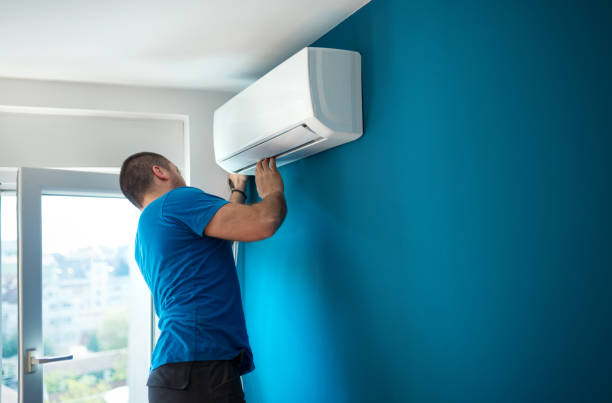
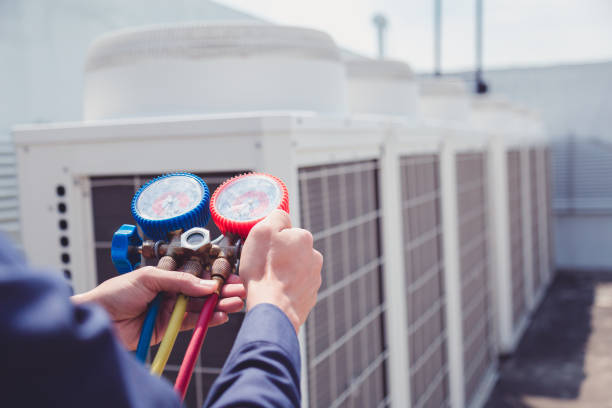
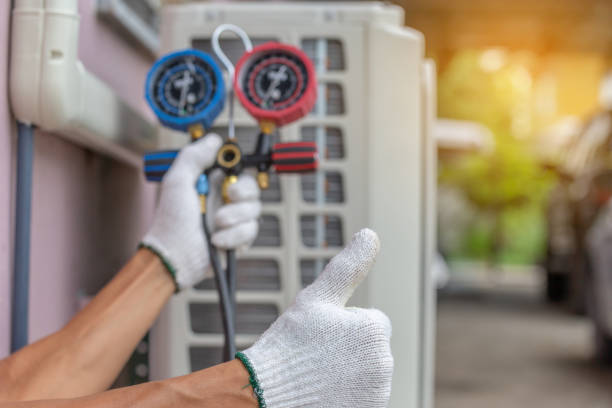
Maintaining a comfortable indoor environment depends heavily on the performance of your air conditioning system. Like any other appliance, AC units have a finite lifespan, and replacing them at the right time ensures continued efficiency and cost-effectiveness. Understanding when to schedule an air conditioning replacement can help you avoid unexpected breakdowns or high energy costs.
Understanding the Lifespan of an Air Conditioning Unit with an HVAC Company in Orlando, FL
On average, most air conditioners last between 10 to 15 years, depending on factors such as usage, maintenance practices, and environmental conditions. However, several signs indicate it may be time to consider a replacement sooner:
- Frequent Repairs: If your AC requires constant repairs or service calls, this may signal that it is nearing the end of its useful life.
- Reduced Efficiency: Aging systems often consume more energy to perform the same cooling tasks, driving up utility bills.
- Inconsistent Cooling: Uneven temperatures or difficulty maintaining desired coolness could mean your unit is struggling to function effectively.
- Rising Operating Costs: A noticeable increase in energy expenses could be due to reduced efficiency from wear and tear.
Key Factors That Influence Orlando AC Repair Frequency
| Factor | Impact |
| Maintenance Quality | Well-maintained systems last longer than neglected ones. |
| Climate Conditions | Hot or humid regions demand more frequent use, reducing lifespan. |
| Size and Compatibility | Improperly sized units work harder to cool space efficiently. |
| Technological Advancements | Newer models are often more efficient than older ones over time. |
Tips for Scheduling Orlando FL Air Conditioning Repair Services
- Assess Your Unit Annually After 10 Years
Once your unit reaches its 10th year of operation, schedule annual inspections with a professional HVAC technician. They can identify signs of wear that may indicate the need for replacement. - Monitor Energy Bills Closely
Compare monthly utility costs over time. Significant increases may suggest inefficiency caused by an aging system. - Upgrade Before Complete Failure
Waiting until your AC breaks down entirely can leave you without cooling during peak summer months when replacing units is also costlier due to high demand. - Consider New Energy Standards
Modern air conditioners are designed with enhanced energy-efficiency standards (like SEER ratings). Replacing an older unit ensures compliance with these standards while lowering operating expenses.
Benefits of Timely Replacement
- Improved cooling performance and consistent indoor comfort.
- Reduced electricity bills due to higher efficiency.
- Enhanced reliability during extreme weather conditions.
- Access to modern features like smart thermostats or eco-friendly refrigerants.
By scheduling timely replacements based on specific considerations and expert advice, you can ensure optimal performance while avoiding unnecessary downtime or expenses associated with outdated equipment.
The Importance of Regular Air Conditioning Servicing to Ensure Peak Efficiency
Ensuring that your air conditioning system functions at peak efficiency is essential for maintaining comfort, reducing energy costs, and avoiding unexpected breakdowns. Regular servicing plays a critical role in achieving these goals. Here’s why professional AC maintenance is so crucial and how it helps optimize performance.
Benefits of Regular Air Conditioning Servicing
- Improved Energy Efficiency
Over time, dirt, dust, and debris accumulate in your AC system’s filters, coils, and ducts. This buildup forces the system to work harder to cool your home or office. Routine servicing includes cleaning or replacing filters and removing blockages, allowing the unit to operate more efficiently and consume less energy. - Enhanced Cooling Performance
Without regular maintenance, an air conditioner may struggle to maintain consistent temperatures. During a service appointment, technicians inspect components like the compressor and refrigerant levels to ensure everything is functioning smoothly. This results in better cooling performance and a more comfortable indoor environment. - Reduced Risk of Costly Repairs
Minor issues can escalate into significant problems if left unaddressed. Regular servicing allows professionals to identify wear-and-tear or potential issues early on, helping you avoid expensive emergency repairs or total system failure. - Lower Energy Bills
An efficient AC system consumes less electricity while providing optimal cooling. By scheduling routine maintenance, you’ll notice reduced energy bills over time as your unit operates at its designed efficiency level. - Prolonged System Lifespan
Like any mechanical equipment, air conditioners require periodic care to remain operational for their full intended lifespan. Regular servicing ensures that all components are functioning properly and prevents premature breakdowns caused by neglect.
Key Maintenance Tasks Performed During Servicing
- Inspecting and cleaning air filters
- Checking refrigerant levels
- Cleaning evaporator coils and condenser coils
- Examining ductwork for leaks or blockages
- Inspecting electrical connections
- Lubricating moving parts (such as fan motors)
- Testing thermostat functionality
- Monitoring airflow for proper distribution
Each of these tasks contributes to improving the overall performance of your AC system while reducing unnecessary strain on its components.
| Maintenance Task | Purpose |
| Filter Cleaning/Replacement | Improves airflow and reduces dust buildup |
| Refrigerant Check | Ensures proper cooling capacity |
| Coil Cleaning | Prevents heat transfer issues |
| Electrical Connection Inspection | Avoids electrical malfunctions |
When Should You Schedule Servicing?
While specific recommendations depend on factors like usage patterns and local climate conditions, experts generally advise scheduling AC servicing at least once a year—preferably before the summer season begins when demand is highest. For units used extensively year-round (e.g., in tropical climates), biannual checkups may be more appropriate.
Final Thoughts on Routine Service
Investing in regular air conditioning maintenance not only ensures peak efficiency but also provides peace of mind knowing your system will perform reliably when you need it most. By addressing small issues proactively through routine checkups, you save money over time while enjoying consistent comfort indoors without interruptions caused by unexpected malfunctions or inefficiencies in the system’s operation.
Energy Efficiency Tips to Enhance Your Air Conditioning System’s Performance
Maintaining an energy-efficient air conditioning (AC) system is essential for reducing energy bills, lowering your carbon footprint, and enjoying optimal cooling comfort. Below are practical tips to help you improve your AC system’s performance while minimizing energy consumption.
Regular Maintenance
- Cleaning or replacing air filters: Dirty filters block airflow and force the system to work harder.
- Checking refrigerant levels: Low refrigerant can significantly reduce cooling efficiency.
- Inspecting ducts for leaks: Leaky ducts can waste conditioned air and increase energy costs.
- Lubricating moving parts: Ensures smooth operation and reduces mechanical wear and tear.
Optimizing Thermostat Settings
- Set higher temperatures when not at home: A difference of just a few degrees can dramatically lower energy usage.
- Use programmable or smart thermostats: These devices allow you to schedule temperature adjustments automatically, ensuring no energy is wasted when the space isn’t occupied.
- Avoid extreme temperature settings: Cranking the thermostat down doesn’t cool your home faster but makes the system work harder unnecessarily.
Improve Home Insulation
- Seal gaps and cracks around doors, windows, and vents to prevent air leakage.
- Add weather stripping where necessary.
- Upgrade attic insulation if needed, as heat often enters through rooftops.
Increase Airflow Efficiency
- Ensure furniture or curtains aren’t blocking vents or registers.
- Keep outdoor units free from debris like leaves, dirt, or overgrown vegetation (~2 feet clearance around the unit is ideal).
- Use ceiling fans in conjunction with your AC to circulate cool air more effectively.
Upgrade Old Systems and Components
| Component/Upgrade | Benefit |
| High-efficiency AC units | Lower energy consumption and better cooling performance |
| Smart thermostats | Enhanced control over temperature settings |
| Zoned cooling systems | Customized comfort for different areas of your home |
Reduce Heat Sources Indoors
- Use heat-generating appliances like ovens during cooler parts of the day.
- Switch to LED lighting, which generates less heat compared to traditional bulbs.
- Close blinds or curtains during peak sunlight hours to prevent solar heat gain.
By implementing these strategies, homeowners can significantly enhance their AC system’s performance while also reaping savings on monthly utility bills. Proactive measures not only maintain comfort but also extend the lifespan of your equipment over time.
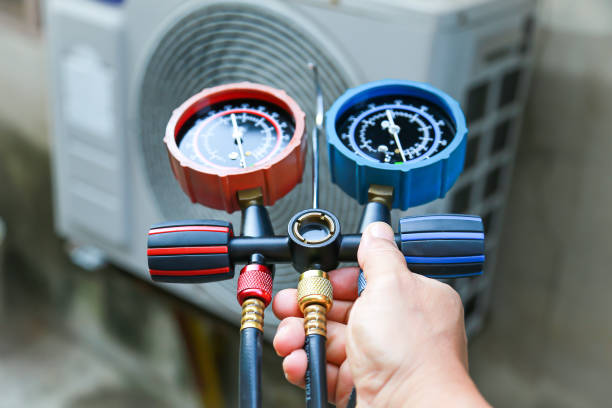
Improved Air Quality Through Professional AC Service and Upgrades
Maintaining high indoor air quality (IAQ) is essential for a healthy and comfortable living environment. A properly serviced and upgraded air conditioning system plays a vital role in achieving this goal. Dust, allergens, mold, and pollutants can accumulate in your HVAC system over time, negatively impacting the air you breathe. Professional AC service can help mitigate these issues while ensuring your system operates efficiently.
The Role of Professional AC Services in Air Quality
- Filter Cleaning or Replacement: Clogged filters trap dust and allergens, which are then recirculated into your home. Technicians replace or clean these filters to ensure smooth airflow and better filtration of contaminants.
- Ductwork Inspection: Over time, ducts can accumulate dirt, mold, or pests. Regular inspection ensures that the ducts remain clean and free from obstructions.
- Coil Maintenance: Evaporator coils tend to collect dust and moisture, creating an ideal environment for mold growth. Cleaning these coils prevents contamination of the circulated air.
- Humidity Control Optimization: Excessive humidity encourages mold growth while low humidity can cause dryness-related issues. Professionals can recalibrate or upgrade your system to maintain balanced indoor humidity levels.
Benefits of Professional AC Upgrades for Air Quality
- HEPA Filters: High-Efficiency Particulate Air (HEPA) filters are designed to capture finer particles compared to standard filters.
- UV Light Installations: Ultraviolet light systems installed within the HVAC unit reduce bacteria, viruses, and mold spores in the air.
- Smart Thermostats with IAQ Sensors: Modern thermostats monitor indoor air quality metrics such as particulate matter or CO2 levels and make real-time adjustments to improve ventilation.
- Energy Recovery Ventilators (ERVs): ERVs maintain fresh indoor air by expelling stale air while balancing energy efficiency.
Signs That Your Indoor Air Quality May Be Poor
| Symptom | Possible Cause |
| Increased allergy symptoms | Dust or pollen trapped in HVAC |
| Musty odors | Mold growth inside ducts |
| Unexplained respiratory problems | Poor filtration/contaminant buildup |
| Excessive dust accumulation | Dirty filters or duct leaks |
Preventative Measures Between Service Appointments
- Replace basic filters every 1–3 months depending on usage.
- Keep vents unobstructed by furniture or drapes.
- Regularly vacuum carpets and upholstery to minimize airborne particulates.
Investing in regular maintenance and thoughtful upgrades not only improves IAQ but also creates a healthier living space while extending the life of your AC unit. This proactive approach ensures that your environment remains comfortable throughout the year without compromising on health standards.
Extended Lifespan of Your AC Unit with Expert Servicing and Replacement
Proper care and maintenance of your air conditioning (AC) system can significantly extend its lifespan, ensuring you get the most out of your investment. Expert servicing and timely replacement of critical components not only keep your unit running efficiently but also prevent costly breakdowns. Here’s how professional AC service can help maximize the longevity of your system.
Benefits of Expert AC Servicing
- Preventative Maintenance: Professional technicians inspect filters, coils, fans, and other parts to ensure they’re functioning optimally.
- Improved Component Lifespan: Timely cleaning and lubrication reduce wear and tear on essential parts.
- Enhanced Cooling Efficiency: A well-maintained AC system uses less energy while providing consistent cooling.
- Fewer Repairs: Routine checks minimize unexpected malfunctions or breakdowns.
How Servicing Impacts an AC Unit’s Lifespan
- Clean Filters
Dirty filters force your AC to work harder than necessary, leading to strain on internal components. Experts recommend replacing or cleaning filters every 1–3 months during peak usage periods. - Refrigerant Levels
Maintaining optimal refrigerant levels is critical for cooling performance. Low refrigerant can damage the compressor—a costly component to repair or replace. - Addressing Minor Issues Promptly
During routine servicing, technicians can detect minor issues like unusual noises or uneven cooling before they evolve into complex problems. - Seasonal Tune-Ups
Performing tune-ups at least twice a year—once before summer and once before winter—ensures your unit is ready for seasonal demands.
When Replacement Becomes Necessary
- Frequent breakdowns requiring expensive repairs.
- Rising energy bills despite regular maintenance.
- Diminished cooling efficiency or uneven airflow.
- Your unit is older than 15 years and utilizes outdated technology.
| Age of Unit | Recommended Action | Benefits |
| Less than 5 years | Regular maintenance only | Keeps warranty intact |
| 5–10 years | Possible part replacements | Improves performance |
| Over 10 years | Consider upgrading | Energy savings; modern features |
Tips for Choosing Professional Service Providers
- Certifications and licensing.
- Positive customer reviews or referrals.
- Transparent pricing policies for repairs/replacements.
- Availability of warranties for services performed.
Investing in expert care ensures that your air conditioning system lasts longer while operating efficiently throughout its functional life cycle. An experienced technician will provide the attention needed to safeguard one of the most critical systems in your home or workplace.
- Key Signs That Your AC Unit Needs Repair or Replacement from an HVAC Company in Orlando, FL
- How Often Should You Schedule Orlando AC Service for Optimal Performance
- Top 10 Signs Your Air Conditioner Needs Replacement from a Trusted HVAC Company Orlando, FL
- How an HVAC Company in Orlando, FL Can Enhance Your Everyday Comfort
- HVAC Company Orlando, FL: Experts in Comfort, Savings, and Reliability
- Expert Orlando AC Repair Services to Prevent Costly Breakdowns and Repairs
- How Orlando FL Air Conditioning Repair Ensures Optimal Performance