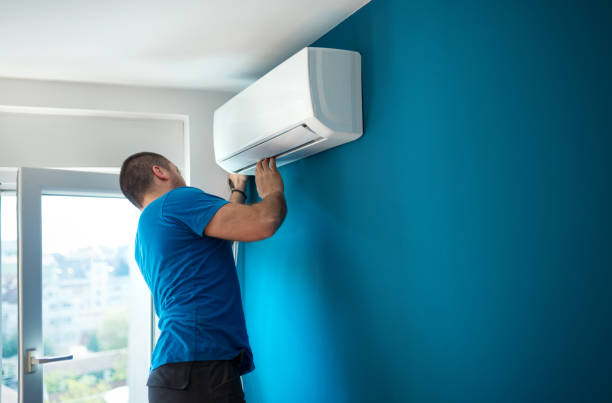
1. Insufficient Cooling
If your air conditioner struggles to maintain the desired temperature or certain areas of your home remain consistently warm, it might indicate declining performance.
2. Frequent Repairs
Repeated visits from an HVAC technician signal that your system is becoming unreliable. If repair costs are adding up to nearly half or more of a new unit’s cost, replacement is more cost-effective.
3. Rising Energy Bills
A sudden increase in electricity bills without changes in usage habits often points to decreasing energy efficiency in older systems.
4. Poor Airflow
If weak airflow comes from vents even after cleaning filters and ducts, it could indicate issues with the blower motor or ductwork – both expensive repairs for aging units.
5. Strange Noises
Unusual sounds such as grinding, screeching, or banging often mean internal components are wearing out or failing altogether.
6. Moisture or Leaks Around the Unit
Excessive moisture near the air conditioner indicates refrigerant leaks or serious drainage issues – problems that can compromise performance and safety.
7. Foul Smells
Unpleasant smells such as mustiness (potential mold growth) or burning odors (electrical problems) should not be ignored and require immediate attention.
| Smell Type | Possible Cause |
| Musty/Mildewy Smell | Mold Growth in Ducts |
| Burning/Electrical Odor | Overheated Components |
8. System Age
Most air conditioners have a lifespan of 10–15 years with proper maintenance. If yours is nearing this range, consider upgrading to avoid costly repairs and inefficiency.
9. R-22 Refrigerant Use
Older units using R-22 refrigerant (phased out due to environmental concerns) are expensive to recharge and maintain compared to systems utilizing modern refrigerants like R-410A.
10. Increased Humidity Levels Indoors
An aging AC system may struggle to control humidity effectively, leading to discomfort and potential mold growth within your home.
Signs You May Need Orlando AC Repair or a Replacement
- Energy Savings: Modern units are up to 50% more efficient than systems installed two decades ago.
- Environmental Responsibility: Newer models comply with stricter regulations for energy use and refrigerants.
- Improved Indoor Air Quality: Advanced filtration systems reduce allergens and pollutants.
Recognizing these signs early allows you to plan for replacement rather than react during a cooling emergency during peak summer heat—a situation no homeowner wants to face unexpectedly under pressure.
Why You Should Never Delay Essential Orlando AC Service and Repairs
Neglecting necessary maintenance or repairs for your air conditioning system can lead to a variety of long-term issues, many of which are costly and inconvenient. Understanding the potential consequences of delaying AC services can help you prioritize timely action to keep your system functioning efficiently while avoiding expensive repairs or replacements.
Increased Utility Bills
- Dirty filters restricting airflow.
- Refrigerant leaks reducing cooling efficiency.
- Worn-out components forcing the system to work harder.
The additional strain on your system not only increases monthly expenses but also accelerates wear and tear.
Diminished Cooling Performance
- Blocked or damaged ductwork.
- Failing compressors or motors.
- Clogged coils reducing heat exchange efficiency.
Inadequate cooling not only impacts comfort but also signals underlying mechanical problems that may worsen over time.
Costlier Future Repairs
| Original Issue | Potential Escalation | Estimated Cost Impact |
| Dirty air filters | Overworked blower motor requiring replacement | Moderate |
| Refrigerant leaks | Compressor failure due to insufficient refrigerant | High |
| Electrical malfunctions | Complete electrical board replacement | High |
Proactively addressing small concerns during routine maintenance often avoids these costly breakdowns.
Reduced Lifespan of Your System
An improperly maintained air conditioning unit will wear out faster than one that receives regular care. Components under constant stress are more likely to fail prematurely, reducing the overall lifespan of the unit by several years. Investing in timely service prolongs the operation of your system, delaying the need for an expensive replacement.
Health and Safety Risks
- Mold growth: Caused by clogged condensate drains leading to excessive moisture.
- Polluted air: Dust and allergens circulating due to dirty filters.
- Refrigerant leaks: Potential exposure to harmful substances.
Unresolved electrical faults also increase fire hazards, further emphasizing the importance of prompt professional attention.
The Bottom Line on Delayed AC Repairs
Putting off necessary air conditioning services ultimately compromises system efficiency, raises operating costs, and increases health risks. Recognizing warning signs early—such as unusual noises, reduced airflow, or higher energy bills—is key to preventing more significant problems down the line. By scheduling timely maintenance and addressing minor issues as they arise, you can ensure optimal performance from your AC system while avoiding unnecessary expenses or hazards in the future.
What Happens If You Delay Orlando FL Air Conditioning Repair Services
Delaying essential air conditioning services and repairs can lead to a range of problems that affect not only your HVAC system but also your comfort, energy efficiency, and even finances. Ignoring routine maintenance or repairs may seem like a cost-saving decision in the short term, but it often results in much larger expenses over time.
1. Reduced Energy Efficiency
One of the first noticeable effects of delaying AC service is reduced energy efficiency. A poorly maintained air conditioner struggles to operate efficiently, consuming more energy to cool your home. This inefficiency directly translates into higher utility bills.
- Dirty filters and coils restrict airflow.
- Faulty components like compressors or fans work harder than necessary.
- Refrigerant levels may drop, reducing the system’s ability to cool effectively.
| Issue | Impact on Efficiency |
| Dirty Filters | Restricts airflow; increases energy use |
| Low Refrigerant Levels | Leads to longer cooling cycles |
| Worn Components | Causes overheating in the system |
2. Increased Wear and Tear
- Small refrigerant leaks can damage compressors.
- Loose electrical connections can cause short circuits.
- A dirty condenser coil forces other components to compensate, reducing their lifespan.
The longer you delay service, the more likely it is for minor wear-and-tear issues to turn into major failures requiring costly replacements.
3. Risk of Complete System Failure
Postponing essential repairs can result in a total breakdown of your air conditioning unit at the worst possible time—often during peak summer months when demand is highest. This not only disrupts comfort levels but also leads to emergency repair fees or expedited replacements.
Consider these risks: – An overheating motor may seize completely. – A clogged drain line could lead to water damage inside your home.
Prolonged neglect increases the likelihood that these failures will happen unexpectedly.
4. Poor Indoor Air Quality
- Clogged filters recirculate contaminants.
- Mold growth in ducts or condensate lines worsens respiratory problems.
For households with allergy-prone individuals or children, poor air quality can pose significant health risks.
5. Higher Repair Costs Over Time
- Replacing a compressor costs significantly more than repairing a refrigerant leak early on.
- Addressing electrical short circuits promptly prevents potential fire hazards down the line.
Regular servicing ensures small repairs are handled before they escalate into costly replacements.
Timely maintenance and addressing early warning signs are critical for extending an AC unit’s lifespan while avoiding preventable expenses. Regular inspections are far less disruptive—and far cheaper—than dealing with emergency breakdowns or skyrocketing energy bills caused by inefficiencies from delayed care.
What Happens If You Delay Essential Air Conditioning Services and Repairs
Delaying essential air conditioning (AC) services and repairs can result in a cascade of problems that affect not only your comfort but also the longevity and efficiency of your system. Regular maintenance and timely repairs are critical for optimal performance, but ignoring issues, even minor ones, can lead to serious consequences.
Reduced Energy Efficiency
- Increased Utility Bills: A malfunctioning unit consumes more power.
- Carbon Footprint: The higher energy usage contributes negatively to the environment.
For example, a dirty or clogged air filter can reduce airflow, forcing the unit to use more energy. Replacing it regularly is a small effort that prevents unnecessary expenses in the long run.

Escalation of Minor Issues Into Major Repairs
| Minor Issue | Possible Outcome if Ignored |
| Refrigerant Leak | Compressor Failure (Costly Repair) |
| Clogged Drain Line | Water Damage or Mold Growth |
| Worn-out Fan Belt | System Overheating and Shutdown |
Addressing these problems when they first appear can save significant money and prevent extensive downtime.
Compromised Indoor Air Quality
- Allergies
- Respiratory problems
- Aggravated asthma symptoms
Scheduling regular cleaning and inspection ensures that your system filters out contaminants effectively.
Shortened Lifespan of Your AC Unit
- Repairs will become more frequent.
- The overall lifespan of your AC system will decrease.
Investing in periodic service helps extend the functional life of your system by keeping all parts working efficiently.
Risk of Complete System Breakdown
- Small malfunctions combine into larger systemic issues.
- The entire unit may stop working unexpectedly during high-demand seasons — often when you need it most.
A complete breakdown might necessitate an expensive replacement rather than a simple repair that could have been addressed earlier.
Delaying vital air conditioning services not only impacts comfort but also poses risks to financial health, air quality, and equipment reliability over time. Prioritizing routine maintenance ensures peace of mind while optimizing performance year-round.
Understanding the Impact of Sudden Increases in Electricity Bills on Your AC System’s Efficiency
A sudden and unexpected spike in electricity bills can be a major red flag, particularly when it comes to the health and efficiency of your air conditioning (AC) system. While high energy costs can occasionally result from increased usage during peak seasons, significant changes in your utility bill without a clear cause might indicate underlying issues with your AC unit. Below, we explore how unexpected electricity bill increases can signal inefficiencies, potential problems, and areas of improvement related to your air conditioning system.
Common Causes of Increased Electricity Bills Linked to AC Systems
- Dirty or Clogged Air Filters
Air filters play a crucial role in ensuring that airflow circulates freely throughout the system. When filters become dirty or clogged: - The AC unit needs to work harder to push air through the blockage.
- This results in higher energy consumption and elevated utility bills.
Regularly replacing or cleaning air filters (typically every 1-3 months) can help maintain efficiency. - Refrigerant Leaks
Refrigerant is vital for cooling, and leaks can significantly reduce efficiency: - The system may run longer cycles to achieve desired temperatures.
- Prolonged operation not only increases wear on components but also drives up energy use.
- Outdated Equipment
Older AC units often lack modern energy-efficient technology: - Units over 10-15 years old are likely less efficient compared to new ENERGY STAR-certified systems.
- Upgrading to a newer model may reduce electricity consumption by as much as 20-40%.
- Faulty Components
If parts like motors, capacitors, or compressors begin failing: - The system operates inefficiently and consumes more power than necessary.
- Professional inspection is critical for diagnosing component issues.
- Inadequate Maintenance
Lack of regular maintenance can lead to dirt buildup on coils or improperly calibrated systems: - Dirty evaporator or condenser coils restrict heat exchange processes.
- Neglecting tune-ups reduces overall efficiency and inflates operational costs.
Signs Your AC Is Increasing Energy Consumption
- Longer cooling cycles despite consistent thermostat settings.
- Frequent cycling on/off even during mild weather conditions.
- Uneven cooling across rooms indicating improper airflow or ductwork issues.
How To Address Efficiency Issues
| Action | Benefits |
| Schedule Professional Inspection | Identifies refrigerant leaks, worn components, or improper calibration |
| Clean/Replace Air Filters | Ensures optimal airflow and reduces strain on the unit |
| Upgrade Thermostat | Smart thermostats enhance precision and reduce energy wastage |
| Consider AC Replacement | Installing an energy-efficient unit minimizes long-term utility expenses |
Preventive Maintenance Tips for Lower Bills
- Perform Seasonal Tune-Ups: Schedule biannual professional maintenance checks before summer/winter seasons.
- Seal Ductwork: Prevent leakage that forces the system to overwork unnecessarily.
- Optimize Insulation: Ensure proper home insulation so cooled air remains inside longer.
Addressing performance inefficiencies promptly not only saves money but also extends the lifespan of your air conditioner while fostering environmentally-responsible energy use practices.
The Importance of Addressing Strange Noises, Leaks, or Smells From Your Air Conditioner Promptly
Air conditioning systems are essential for maintaining a comfortable and healthy indoor environment. However, strange noises, leaks, or unpleasant smells from your AC unit are often early warning signs of underlying issues that need immediate attention. Ignoring these symptoms can lead to costly repairs, reduced system efficiency, and even health hazards. Here’s why addressing such problems promptly is crucial.
Common Strange Noises and What They Indicate
- Could indicate loose components or debris in the system.
- If left unchecked, it may damage internal parts or misalign the unit.
- Often a sign of refrigerant leaks or issues with the compressor.
- Refrigerant leaks can reduce cooling efficiency and harm the environment.
- Points to worn-out belts or motor bearings.
- Neglecting this issue might result in complete motor failure.
- May signify broken components in the compressor.
- This problem requires urgent attention as it could lead to a total system breakdown.
- A repetitive clicking sound during startup might suggest electrical issues within the thermostat or capacitors.
Leaks: More Than Just an Inconvenience
Leaks from your air conditioner should never be ignored as they not only affect performance but also pose safety risks.
| Type of Leak | Possible Cause | Potential Consequences |
| Water Leak | Clogged condensate drain line | Increased humidity and water damage |
| Refrigerant Leak | Damaged refrigerant lines or improper sealing | Reduced cooling power; environmental harm |
| Oil Stains Around AC Unit | Compressor malfunction | Significant risk of total AC failure |
Promptly addressing leaks ensures both functionality and longevity for your AC unit.
Unpleasant Smells: What They Mean
- Musty Odor: Indicates mold or mildew buildup in ducts or on the evaporator coil. This could aggravate allergies and respiratory conditions.
- Burning Smell: Suggests overheating components, such as wiring insulation melting due to electrical faults.
- Rotten Egg Smell: Might be caused by dead animals trapped inside ducts – a health risk and hygiene concern.
- Chemical Odors: Could signify refrigerant leaks that require professional repair immediately.
Unusual smells often reveal serious problems that impact air quality and household safety if left unaddressed.
Risks of Ignoring These Warning Signs
- Higher energy bills due to decreased efficiency.
- Permanent damage to critical components like compressors and motors.
- Health risks from poor indoor air quality caused by mold spores, bacteria growth, or harmful gases leaking into your home.
Taking immediate action helps prevent minor issues from developing into major problems that demand expensive repairs—or even complete replacement of your AC unit.
Addressing strange noises, leaks, or odors promptly ensures consistent comfort while safeguarding your investment in an air conditioning system. If you notice any unusual symptoms in your AC unit’s operation, consulting a professional technician without delay is always the best course of action.
- Key Signs That Your AC Unit Needs Repair or Replacement from an HVAC Company in Orlando, FL
- How Often Should You Schedule Orlando AC Service for Optimal Performance
- Top 10 Signs Your Air Conditioner Needs Replacement from a Trusted HVAC Company Orlando, FL
- How an HVAC Company in Orlando, FL Can Enhance Your Everyday Comfort
- HVAC Company Orlando, FL: Experts in Comfort, Savings, and Reliability
- Expert Orlando AC Repair Services to Prevent Costly Breakdowns and Repairs
- How Orlando FL Air Conditioning Repair Ensures Optimal Performance